








Yoga. Massage. Fitness programs. Laser therapy…
At this juncture, you might wonder why a physical therapy blog has a post that starts with non-physical therapy activities.
Let’s face it, there are more financial challenges facing therapy practices today, and you have to think outside the box to grow the profitability of your practice. The fact is, these activities complement physical therapy practice AND can form the foundation for a lucrative cash based physical therapy program to add in your PT clinic.
Fully Cash-Based Practice vs. Hybrid Cash-Based Practice
If you’re like many PTs, you may have only taken a cursory glance at cash-based physical therapy services because the insurance-based service model is the one you’re most familiar with. This section introduces you to the two types of cash-based models.
It’s probably safe to say that most physical therapy clinics use a hybrid model. They take insurance. However, due to the insurance-related challenges that many PT clinics face, some clinic owners have begun investigating their cash-based options.

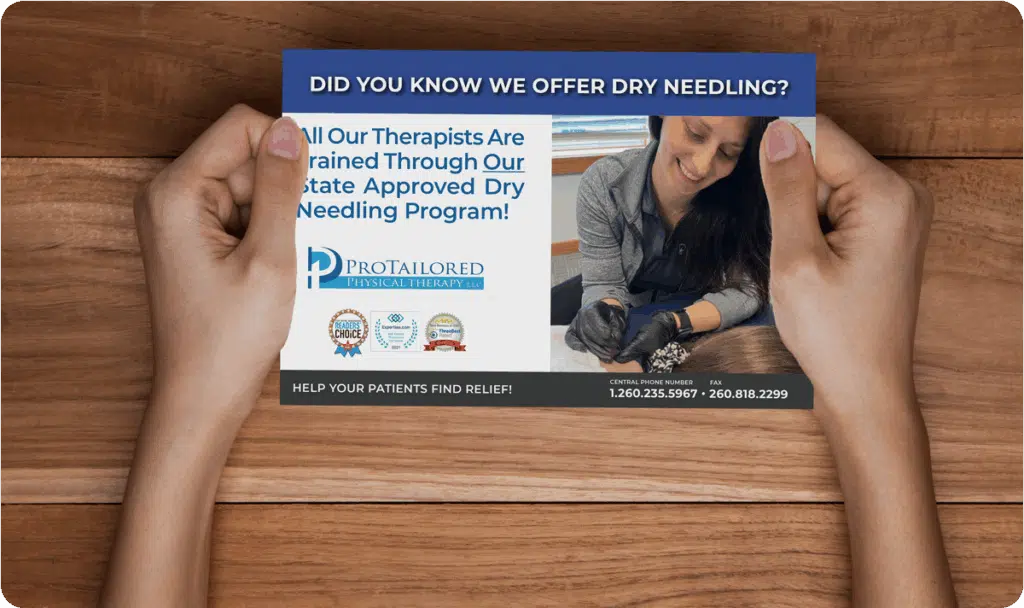
For example, based on a number of factors like state laws and regulations as well as other constraints, these clinics offer some a la carte cash-based services. These can include dry needling, laser therapy, health and wellness coaching, and other non-PT options.
Clinics that have adopted a fully cash-based system are out-of-network. They prefer this model because it allows them to bypass the restrictions that some third-party payers put on physical therapy clinics.
Each of these business models comes with its own advantages and disadvantages. The one that would work best for your clinic will be based on a number of factors. If your clinic currently operates under a hybrid model, you may not have explored the advantages and the challenges that come with going fully cash-based.
We look at this in more depth below.
Pros and Cons of Fully Cash-Based Physical Therapy Practices
Pros of Adopting a Cash-Based Physical Therapy Business
1. You get more one-on-one time with patients. While accepting insurance comes with its advantages, it also comes with a steep price where in-depth care is concerned. Many third-party payers won’t pay for some specialty services. Or they only pay a fraction of the cost for more standard PT treatments.

To combat this, many PTs and other medical professionals have to see more patients in a day than they want to. According to the National Library of Medicine, many patients only get about 15 minutes with their medical providers per visit. This approach to treatments feels like a revolving door to everyone who must work within this type of system.
Creating an effective treatment plan requires you to ask probing questions at times. More than that, it requires you to take the time to really listen to your clients once you ask the questions. In the third-party payer system, this isn’t always possible.
When you don’t rely on third-party payers, you’re able to charge what you want for services. You don’t have to adopt the revolving door mentality because you get paid enough from your current workload to give patients the time and attention they deserve.
2. Patients require fewer visits. This goes hand-in-hand with the information above. Although the initial cost may seem like more to patients, in the long run, they pay less because you accomplish more during each visit.
It’s worth your time to walk your patients through this process. Explain to them why they’ll get better care and get better in less time if they can get on board this model.
3. You can lean on cash-based services when insurance services are all booked up. Put another way, it’s likely that the PTs in your office aren’t leading the yoga or fitness classes nor are they the ones running the nutrition counseling services.
A cash-based physical therapy business model allows you to add more services to other areas of your business that don’t require a PT’s attention. Revenues go up because of it.
Here are some of the types of services you could introduce into a cash-based pay system:
- Massage therapy
- Fitness coaching
- Acupuncture
- Yoga, pilates, etc.
- Nutrition counseling
- Workshops

4. You can charge for services what services are worth instead of having to rely on the low-reimbursement rates offered by many insurance agencies. This is a big advantage if you offer highly-specialized PT services that require you to spend more time with individual patients.
Cons of Adopting a Cash-Based Physical Therapy Business Model
1. Medicare-covered treatments don’t get covered under the cash-based physical therapy business model. There is a workaround for this, however. Patients can come and see you as a non-participating provider. They’ll pay cash for your services. Medicare will reimburse them, but only if you send them a bill so they can get reimbursed by Medicare.
2. Paying out-of-pocket can seem expensive to some of your patients. Even if you explain to them why they may pay less for treatment in the long run, they may still have trouble coming up with the payment.

3. Patients can’t utilize their insurance. Many of your clients may count on services like yours to help them make their deductible. If you don’t take insurance, they have to look elsewhere to fulfill their deductible. For many patients, this can be a big detractor from cash-based services.According to HealthInsurance.org, some patients will pay almost $7,000 in deductibles each year, which includes both drug and medical treatments. The sooner a patient can pay his/ her deductible, the sooner he/ she can take advantage of his/ her full insurance coverage.
How To Market Physical Therapy Cash Services
1. Make updates on your website to let people know what types of specialties you provide and that you offer cash-based services.

2. Announce your services on social media. Be sure to include a blurb about cash pay.
3. Create an email campaign to alert past and current patients about your cash-based offerings. If you’re introducing new services like yoga classes, nutrition counseling, and the like, consider sending them a coupon for a certain percentage off their first visit.
4. Run Google Ads to connect with patients that your SEO efforts haven’t yet brought in. Be sure to include the right keywords to attract them. They may not be looking for physical therapy services. Instead, they may be looking for massage therapy or for a yoga practitioner, so use those words in your ads.
5. Develop a print marketing campaign centered around the use of newsletters, postcards, physician letters, patient letters, etc.
Other Tips for Creating Successful Cash-Based Campaigns
Every market favors one or two types of advertising over everything else. When you’re introducing your cash-based physical therapy services, keep track of your marketing efforts. Add a QR code to a postcard, a specific number to your social posts, or create a specific landing page on your website for this purpose.
It may be that all of your advertising methods get some response. However, the one or two that get the best response is where most of your attention should go. Follow the 80/20 rule for the best results.
Final Thoughts on Creating Cash-Based Services
The decision to adopt a fully cash-based physical therapy payment model represents a big shift for many PTs. The third-party payer system comes with many challenges, and the PTs who adopt this model want the benefits that come with it. The challenge comes with trying to scale this model beyond a few practitioners.
The bottom line is they’re tired of not being able to spend more quality time with their patients. Many also offer unique services that insurance won’t pay for. Cash-based services just make sense, even if there are challenges that come with them.

For most practices, it makes sense in today’s environment to add cash services to their insurance model. This allows them to bring in additional cash revenue and provide a higher level of care and opportunities to their patients.
At Practice Promotions, some of our most successful clients bring in different disciplines and services to provide a comprehensive offering to their patients. We have experience helping clinics market these services and generate more new patients for them.
Reach out to us to learn more!